The year 2025 was marked by major political changes, global conflicts, technological growth, and extreme weather. From shifts in world leadership to climate disasters, these events had a strong impact on millions of people across the globe. Below are ten key events that defined the year.
One of the biggest developments was the return of Donald Trump as President of the United States. After taking office for a second term in January, he introduced tough policies, including strict immigration measures, trade protection, and cuts to parts of the federal government. His leadership caused strong reactions at home and abroad, with rising public concern over the cost of living and political divisions in the US.
Another major event was the ceasefire in Gaza. After years of conflict, pressure from the United States helped bring a truce between Israel and Hamas. The ceasefire allowed hostages to be returned and humanitarian aid to enter Gaza, although violence did not fully stop and tensions in the region remained high.
Efforts to end the war in Ukraine also dominated global attention. Talks between Russia and Ukraine failed to bring peace, despite strong involvement by the US. Relations between leaders were tense, and although new sanctions were imposed on Russia, the war continued with no clear resolution.
The world also experienced a global trade war. The US imposed high tariffs on imports like steel and food products, leading to disputes with major partners such as China, the European Union, and Canada. While some deals were reached, global markets were shaken and economic uncertainty grew.
In a historic moment for the Catholic Church, a new pope was elected. Robert Francis Prevost became the first American pope, taking the name Leo XIV. He focused on helping the poor, migrants, and protecting the environment, while maintaining traditional church positions on some sensitive issues.
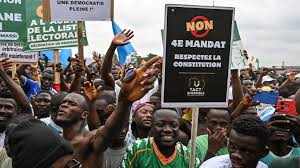
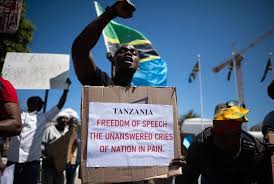
Young people also made their voices heard in 2025. Gen Z-led protests broke out across Africa, Asia, and Latin America, driven by high living costs, corruption, and lack of opportunities. In some countries, governments promised reforms, while in others protests were met with violence.
The rapid growth of artificial intelligence was another defining feature of the year. Massive investments were made in AI technology, transforming industries but also raising fears about job losses, misinformation, and ethical concerns. Governments began introducing new laws to regulate AI use.
A shocking art crime made headlines when thieves carried out a daring robbery at the Louvre Museum in Paris. Valuable crown jewels were stolen, highlighting security concerns at major global landmarks.
Tensions rose in Latin America after US military strikes linked to drug trafficking angered Venezuela. The situation worsened when the US seized a Venezuelan oil tanker, increasing diplomatic conflict between the two countries.
Finally, record-breaking weather events reminded the world of the growing climate crisis. Deadly floods, powerful storms, heatwaves, and wildfires affected regions across Asia, Europe, the Americas, and the Caribbean. Scientists warned that climate change is making such disasters more frequent and more severe.
Together, these events made 2025 a year of deep change, uncertainty, and global challenges, shaping politics, economies, and everyday life around the world.