A new mobile device that monitors a baby’s heart rate during pregnancy has been linked to fewer newborn deaths in Tanzania, according to a study by researchers from Japan and Tanzania.
The study, led by Hiroshima University in partnership with Muhimbili University of Health and Allied Sciences, tested a wireless fetal heart monitoring device known as iCTG. The research was carried out in four primary health facilities in Tanzania’s Pwani region and published in the medical journal BMC Public Health.
Tanzania records about 24 newborn deaths for every 1,000 live births, mostly due to prematurity and lack of oxygen during birth. In many low-income countries, hospitals lack proper equipment to monitor unborn babies, making it difficult to detect danger early.
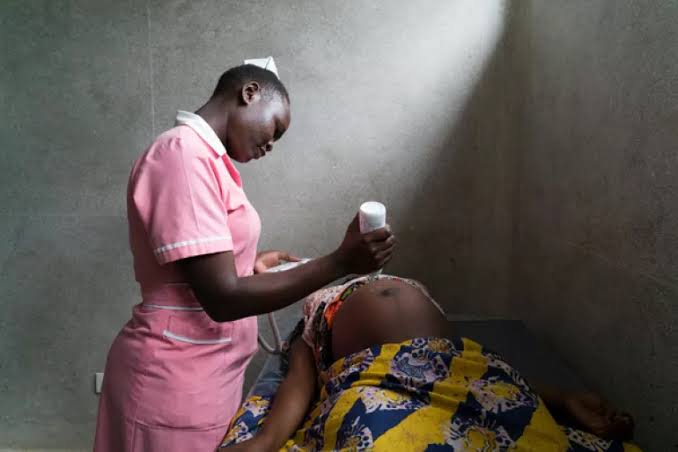
The iCTG device is small, wireless, and easy to use. It continuously monitors the baby’s heart rate and alerts health workers if there are signs of distress. This allows doctors and midwives to act quickly, either by giving immediate care or referring the mother to a hospital.
Between October 2023 and September 2024, researchers studied 763 pregnant women who were at least 32 weeks pregnant. Of these, 492 women were monitored using the iCTG device, while 271 received standard care using traditional methods.
The results were significant. The device detected abnormal fetal heart rates 8 to 10 times more often than standard tools. Newborn deaths and stillbirths dropped by more than half, with perinatal deaths falling from 6.6 percent to 2.6 percent among women monitored with iCTG. Fewer babies were born with low Apgar scores, which are signs of breathing or health problems at birth.
Dr. Yoko Shimpuku, the lead author of the study, said the device is practical and life-saving, even in low-resource settings. She noted that early detection allows health workers to take action, such as repositioning the mother, giving fluids or oxygen, or transferring her to a hospital while monitoring continues.
However, the study also found that caesarean section rates were higher among women monitored with iCTG. Researchers stressed the need for clear medical guidelines to ensure surgeries are only done when necessary.
Although antenatal clinic attendance did not increase during the study, researchers believe this is because the device was introduced late in pregnancy. They suggest introducing iCTG earlier to encourage mothers to attend clinics more regularly by allowing them to hear their baby’s heartbeat.
The research team plans to expand the use of iCTG to more regions and study its cost-effectiveness. They hope the technology will become part of routine pregnancy and childbirth care in low-income countries.
The study was funded by the Japan Agency for Medical Research and Development, and the devices were developed by Melody International Ltd. Researchers say the technology could help ensure safer births and save thousands of newborn lives across Africa and other developing regions.