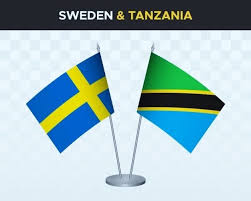
Sweden has announced that it will terminate bilateral development aid to Tanzania by August 2026, marking a significant shift in its long-standing partnership with the East African nation. The decision ends decades of cooperation that have supported a wide range of social, economic, and governance initiatives across Tanzania.
The move comes amid growing concerns from the international community over political and human rights developments in Tanzania, particularly following the events of October 29, 2025, which prompted global scrutiny. The Swedish government cited the need to reassess its development strategy in light of these circumstances and to ensure that its aid programs are aligned with democratic principles, human rights, and accountability.
Sweden has been a key partner in Tanzania for decades, providing support in sectors including education, healthcare, governance, infrastructure, and social welfare. The withdrawal of aid will require Tanzania to seek alternative development partnerships and mobilize domestic resources to sustain ongoing projects.
Tanzania’s Foreign Ministry has responded by emphasizing that the country remains committed to addressing international concerns and maintaining dialogue with donor partners. Efforts are underway to reassure development partners that reforms and transparency measures are being implemented to foster continued cooperation.
Observers note that Sweden’s decision may also influence other European donors to reassess their aid strategies, potentially impacting Tanzania’s broader development agenda. Despite the impending aid cessation, Tanzanian authorities have reiterated their commitment to economic growth, social progress, and regional stability, signaling that the country intends to continue attracting investment and support from diverse sources.
Sweden’s decision underscores a growing trend among traditional donors to link aid to governance and human rights benchmarks, reflecting a more strategic approach to development assistance in Africa.