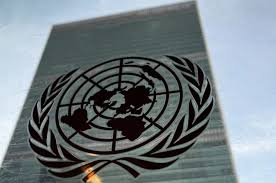
The United Nations on Friday expressed deep shock over the death in detention of prominent Cameroonian opposition figure Anicet Ekane, calling for a thorough and impartial investigation into the circumstances surrounding his demise.
Ekane, a 74-year-old left-wing nationalist and longtime leader of the African Movement for the New Independence of Cameroon (Manidem), died on Monday while being held in custody in Yaoundé. He had been arrested in Douala on October 24, just a day before the announcement of presidential election results that saw 92-year-old Paul Biya secure an eighth term in office.
The exact details of his death remain unclear, prompting growing criticism and concern both domestically and internationally.
UN Calls for Accountability and Release of Detainees
In a statement posted on X, the UN Human Rights Office said it was “appalled” by Ekane’s death and “concerned for the wellbeing of protesters detained following the presidential election.”
“The authorities must ensure the investigation they have announced is thorough and impartial and results in full accountability,” the UN said.
It also called for the immediate and unconditional release of all protesters who were “arbitrarily arrested” in the aftermath of the disputed election.
Ekane was among a group of opposition figures detained for publicly supporting the self-declared victory of fellow opposition leader Issa Tchiroma Bakary, who openly challenged President Biya’s 43-year rule.
The arrests took place after Bakary and several political allies rejected the official election results and declared their own parallel outcome.
Ekane’s detention and subsequent death have triggered a wave of reactions across social media and among political activists, who accuse the authorities of suppressing dissent and targeting opposition voices.
Ekane was a well-known figure in Cameroon’s political opposition, remembered for his advocacy for national sovereignty and political reform. He ran as Manidem’s presidential candidate in both 2004 and 2011, maintaining a consistent position against Biya’s decades-long rule.
His close association with Bakary further placed him at the center of political tensions following the October 12 election, which many opposition supporters insist was marred by irregularities.
As calls for transparency and justice grow louder, the Cameroonian government faces renewed scrutiny from the international community over its handling of political dissent and the treatment of detainees.