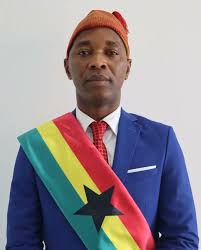
Nigeria has offered asylum and protection to Fernando Dias da Costa, the opposition presidential candidate in Guinea-Bissau, after the recent military takeover in the country. Da Costa sought safety following threats to his life after both he and the incumbent President, Umaro Embaló, claimed victory in the November 23 presidential election—before official results were released.
The political tension grew worse on November 26, when soldiers staged a coup, took control of government offices, suspended the election process, closed borders, and declared a nationwide curfew.
In a letter dated November 30, Nigeria’s Minister of Foreign Affairs, Yusuf Tuggar, informed ECOWAS Commission President Omar Touray that President Bola Tinubu had approved asylum for da Costa inside the Nigerian Embassy in Bissau. Tuggar said this decision was made to protect da Costa from “imminent threats” to his life.
He added that Nigeria’s action showed its commitment to protecting democracy and supporting the people of Guinea-Bissau. Tuggar further asked ECOWAS to direct its Stabilization Support Mission to provide extra security for the opposition leader.
Alkasim Abdulkadir, media aide to the foreign minister, confirmed the letter and said Nigeria’s move was in line with its role in promoting peace and stability across West Africa.
ECOWAS also held an emergency virtual summit where it suspended Guinea-Bissau from the regional bloc until democratic rule is restored. The Chairman of ECOWAS and President of Sierra Leone, Julius Maada Bio, said he had spoken with the military leaders and emphasized the need for a return to constitutional order.
After taking power, the junta—calling itself the High Military Command for the Restoration of National Security and Public Order—appointed Horta Nta Na Man as transitional president for one year. They later reopened the country’s borders to reduce economic and humanitarian pressure.
Guinea-Bissau has faced decades of political instability since independence in 1974, with frequent coups and military interference. The latest events show the continuing struggle for stable democratic governance in the country.