Tanzania has long been known for its political stability, with no history of internal strife or violence since gaining independence in 1961. Over the past six decades, the country’s unity, lack of ethnic divides, and strong national identity have set it apart from many of its neighbors, which have faced conflict and unrest.
This stability has been a cornerstone of its success, attracting foreign investment, boosting regional trade, and making it a popular tourist destination.
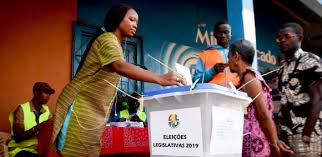
However, in October 2025, the country faced unexpected violence following the elections, which caught both locals and international observers by surprise.
The disturbances, although significant, are viewed as a temporary disruption rather than a shift in Tanzania’s long-standing tradition of peace. For investors, it’s important to understand that Tanzania’s core values of stability, tolerance, and governance will continue to guide the nation through these challenges.
Tanzania’s economic prospects remain strong, and its growth trajectory is expected to continue. The World Bank projects the country’s economy will grow by 6% in 2025, driven by consistent macroeconomic stability, a favorable investment climate, and demand for the country’s resources, including tourism and minerals.
With low inflation, manageable public debt, and prudent fiscal policies under President Samia Suluhu Hassan, Tanzania is on track to sustain its growth.
A key part of Tanzania’s long-term development strategy is the Tanzania Development Vision 2050 (DIRA 2050), introduced in 2024 by President Samia. This plan aims to grow the economy to $1 trillion by promoting Special Economic Zones (SEZs), encouraging private-sector partnerships, and attracting foreign capital.
While the recent political protests and unrest created uncertainty, President Samia has made efforts to open up the country’s economy and engage more with international partners.
Under her leadership, Tanzania joined the African Continental Free Trade Area (AfCFTA) in 2021 and signed an agreement with DP World in 2023 to develop the Dar es Salaam Port. These steps signal Tanzania’s shift from the more isolationist policies of the past.
President Samia’s 4R approach—Reconciliation, Resilience, Reform, and Rebuilding—has been instrumental in stabilizing the political landscape. She has also worked to rebuild Tanzania’s relationships with global financial institutions like the IMF and World Bank, securing crucial support for economic development.
Her government is committed to addressing the frustrations that led to the recent unrest, particularly the lack of economic opportunities for the youth. As part of her response, she has earmarked 200 billion Tanzanian shillings to support start-ups led by young people and women, aiming to stimulate entrepreneurship and create jobs.
Despite the political unrest, the country’s economic fundamentals remain robust, with Tanzania continuing to focus on inclusive growth, job creation, and greater international collaboration. President Samia’s reforms and her open foreign policy, coupled with her emphasis on economic diplomacy, will likely enhance the country’s appeal as an investment destination in the coming years.
Tanzania’s core values of unity, peacebuilding, and non-alignment are deeply embedded in the national identity, and this will continue to serve as a foundation for the country’s development.
As the political situation stabilizes, investors can be confident that Tanzania’s economy is set for continued growth and that the nation’s long-standing tradition of stability will endure.