President Yoweri Kaguta Museveni has granted a presidential pardon to 143 prisoners, most of whom were convicted of petty offences, according to the Uganda Prisons Service.
Monitor
The pardon was approved under Article 121(4)(a) of Uganda’s 1995 Constitution, following recommendations from the Prerogative of Mercy Committee.
According to prison officials, the decision was largely driven by public health and humanitarian concerns.
Frank Baine, the Prisons Service spokesperson, explained that many of those pardoned are serving short sentences or have special circumstances that make incarceration particularly burdensome.
The pardoned individuals were convicted on a variety of relatively minor crimes, including:
Manslaughter
Theft
Housebreaking
Burglary
Unlawful possession of wildlife species
Possession of opium
Assault
Causing death by reckless driving
Malicious damage
Obtaining money by false pretence
This broad spectrum of petty offences suggests the pardon was targeted at decongesting prisons without releasing hardened criminals.
Prison Overcrowding Is a Long-Standing Problem
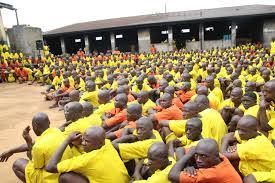
Overcrowding in Uganda’s prisons has been repeatedly flagged by government officials and human rights groups. According to the prisons service, the current prison population far exceeds capacity, putting pressure on facilities and resources.
The use of presidential pardons for minor convicts has been one tool used to ease this burden.
Process Behind the Pardon
The Prerogative of Mercy Committee, which advises the President on such matters, played a key role in this decision.
matookerepublic.com
Once the committee recommended the pardons, the Attorney General’s Office formalized the pardon instrument, and the Uganda Prisons Service will now carry out the logistical steps to free the inmates.
The Sunrise Newspaper
Public Reaction and Political Implications
Some observers see this as a positive humanitarian gesture, particularly because it targets non-violent offenders.
Others, however, may question whether this move will be repeated as a regular tool to reduce prison populations, especially if underlying reforms in the justice and penal system are not addressed.
Regardless, the pardon underscores the delicate balance between justice, mercy, and prison reform in Uganda — and highlights the growing urgency to address overcrowded prisons through both top-down policy and legal change.