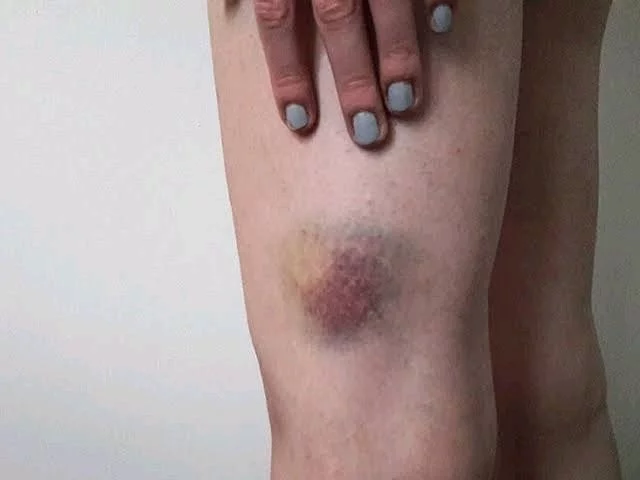
Our bodies often send subtle signals when something serious is developing. While many everyday discomforts are harmless, some unexplained or persistent symptoms could be early indicators of cancer. Recognizing them in time can make a major difference in diagnosis, treatment, and recovery.
Here are six critical warning signs you should never overlook.
1. Unexplained Aches or Pains
If you experience pain that lingers without a clear cause, don’t dismiss it as fatigue or aging. Persistent pain — especially when it can’t be explained by injury or strain — could point to an underlying condition, including certain types of cancer.
2. Extreme Night Sweats
While night sweats may be triggered by infections, medications, or hormonal changes such as menopause, cancer-related sweating is often unusually intense — soaking clothes and bed sheets. Such symptoms warrant a medical checkup.
3. Changes in Skin or Eyes
Your skin is one of the first places disease can reveal itself. Yellowing of the eyes or fingertips (jaundice) may signal serious conditions like liver cancer or other internal disorders. Any sudden or unexplained skin changes — such as dark spots, unusual moles, or persistent itching — should be evaluated by a doctor.
4. Enlarged Lymph Nodes
Swollen lumps in the neck, armpits, or groin often occur during infections. However, persistent swelling that lasts more than a week can be a sign of lymphoma, leukemia, or metastatic breast cancer. Early medical attention is essential for proper diagnosis.
5. Anemia (Low Red Blood Cell Count)
When cancer affects the bone marrow — as in leukemia or multiple myeloma — it can disrupt red blood cell production. This leads to fatigue, weakness, pale skin, and shortness of breath. Persistent anemia without an obvious cause should be medically investigated.
6. Blood in Urine
Blood in urine can result from infections, kidney stones, or chronic kidney problems, but it may also indicate bladder or kidney cancer. Regardless of the cause, this symptom should never be ignored and needs immediate medical attention.
How to Lower Your Cancer Risk
Health experts recommend a few key lifestyle habits to reduce your chances of developing cancer:
Eat a balanced diet rich in fruits, vegetables, and fiber.
Exercise regularly and maintain a healthy weight.
Avoid tobacco and limit alcohol intake.
Get regular medical checkups and screenings — early detection saves lives.
Protect your skin from excessive sun exposure.
For expert advice, detailed explanations, and health videos, visit SouthReport Health Desk, your trusted source for reliable health updates and awareness stories.