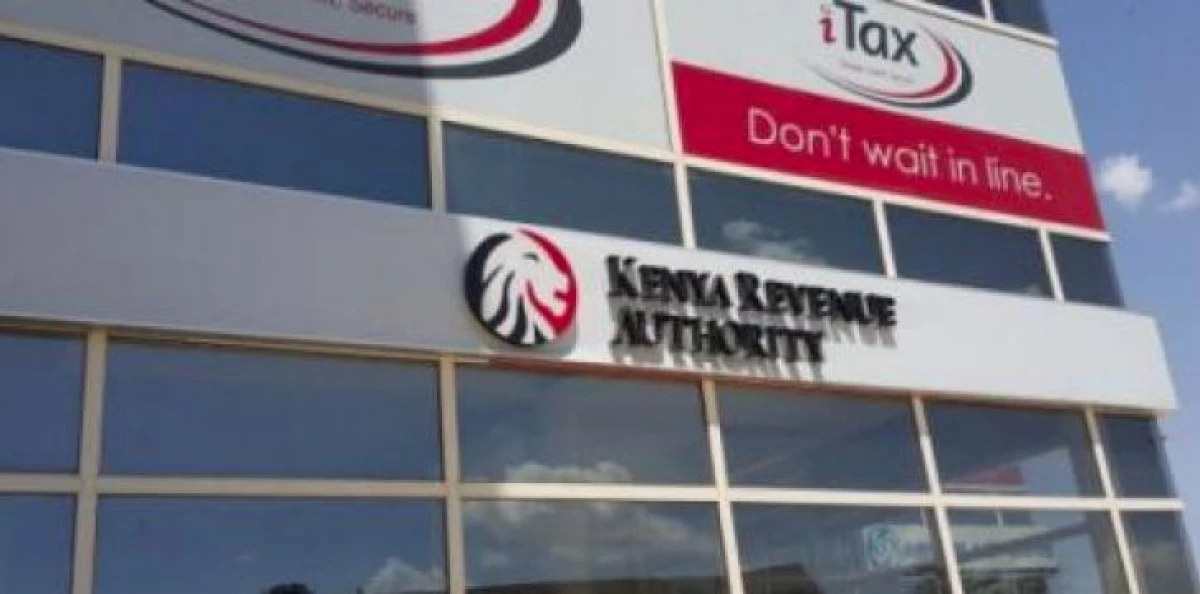
The Kenya Revenue Authority (KRA) is taking bold steps to modernize the country’s tax system with the introduction of artificial intelligence (AI) tools designed to detect inconsistencies, prevent tax fraud, and improve overall revenue collection.
This revolutionary digital transformation, set to launch in January 2026, is part of a broader government initiative to enhance efficiency, transparency, and voluntary compliance among taxpayers.
At the heart of this change is an automated validation system that will integrate with the existing iTax platform. This AI-powered system will automatically cross-check tax returns, focusing on potential discrepancies in income declarations, VAT claims, and withholding tax data.
By comparing filed returns with third-party data from sources like eTIMS invoices, withholding income tax (WHT) records, and customs data, KRA aims to detect fraudulent claims in real time and ensure that tax returns are accurate and substantiated.
The new system’s primary goal is to boost compliance and close the tax gap, ensuring that all claims are backed by verifiable digital records. For taxpayers, this means they will need to be more diligent in maintaining accurate and digital records. Here’s what this validation will look like:
Taxpayers, especially businesses, must ensure their eTIMS invoices are in order. This means all claims for expenses must be supported by a valid electronic tax invoice. Manual or handwritten receipts will no longer be accepted. Suppliers must issue eTIMS invoices with the buyer’s PIN included, where applicable.
If tax has been withheld on income, such as consultancy fees or rent, taxpayers must ensure that the data in their iTax ledger matches the Withholding Tax certificates. It’s important to remember that WHT is an advance payment, not final tax.
For importers, the KRA will now cross-check declared import figures with data from the Integrated Customs Management System (ICMS). Importers should ensure their import values and related expenses match what’s in their eTIMS records and accounting books.
If there are any mismatches between a taxpayer’s returns and the third-party data, this could trigger an audit, delay refunds, or even lead to rejection of returns.
With the shift to digital records, taxpayers—especially small traders—are advised to start preparing now. This means digitizing records, reconciling 2025 invoices, and seeking assistance from KRA or a licensed accountant if necessary.
President William Ruto’s Economic Advisor, Dr. David Ndii, confirmed that the government is working on AI algorithms that will automate much of the tax assessment process.
These systems will use machine learning to analyze data from various sources, such as banks, employers, suppliers, and government agencies. This will allow KRA to flag potential under-reporting or double claims before refunds are processed, making the entire system more efficient and reducing opportunities for tax evasion.
Dr. Ndii further explained that the system would help identify high-income professionals working outside the formal payroll system—such as doctors in private practice—who have so far evaded taxation.
He pointed out that there are an estimated 2.5 million such individuals, earning similar amounts to those on payroll, but not contributing to tax revenue. By widening the tax bracket, the government hopes to increase Kenya’s tax-to-GDP ratio from 14% to 22% over the next seven years.
While the move to digitize tax administration is generally seen as a step forward, experts warn that small and informal businesses may face initial challenges.
Limited access to digital record-keeping tools could lead to mismatches in tax filings. Businesses that fail to ensure their eTIMS invoices are properly issued or who lack the infrastructure to maintain digital records risk having their returns flagged for audit, causing delays and potential penalties.
Dr. Ndii compared the new tax system to other successful government digital initiatives, like the Hustler Fund credit scoring system and the Social Health Authority’s premium assessments.
The success of these AI-driven tools highlights the potential for technology to streamline public services and enhance transparency. According to Ndii, in a few years, most of Kenya’s tax assessments will be conducted by algorithms, reducing the reliance on manual processes and improving fairness and accuracy.
As KRA prepares to roll out this new AI-driven system, taxpayers are urged to get ahead of the curve by ensuring their records are up to date and digital.
While this move is a step towards a more efficient and equitable tax system, it also highlights the need for businesses—especially smaller ones—to embrace digital tools. Those who do will be better positioned to navigate the changing landscape of tax compliance in Kenya.
This automated tax validation process marks a significant shift in Kenya’s tax administration, bringing the country closer to the broader vision of a modern, digital economy. However, it is clear that this transition will require cooperation from all taxpayers, as the government’s ability to detect and deter tax fraud will depend heavily on the accuracy and timeliness of the data provided by citizens and businesses alike