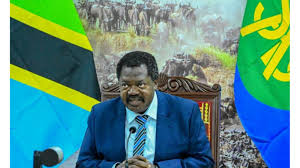
Tanzania’s Vice President, Dr. Emmanuel Nchimbi, has called for urgent and comprehensive reconciliation efforts following the recent electoral violence that marred the country’s political climate.
Speaking at the Southern African Development Community (SADC) summit over the weekend, Dr. Nchimbi emphasized the importance of national unity and peacebuilding in the aftermath of the unrest that unfolded during the election period.
Dr. Nchimbi’s remarks come at a critical time, as Tanzania grapples with the social and political fallout of the violence that erupted before and after the elections.
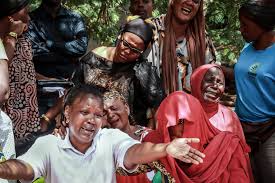
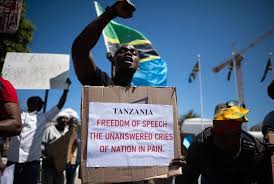
The unrest left several people injured, while protests and clashes disrupted daily life in parts of the country. The Vice President acknowledged that while elections are crucial to democracy, the aftermath of the violence has underscored the need for deeper national dialogue and healing.
In his address, Dr. Nchimbi hinted at upcoming plans to launch formal reconciliation initiatives aimed at mending the divisions caused by the electoral turmoil. “Our country has experienced challenging moments during the election period, and it is time for us to come together as one people, regardless of our political affiliations,” he said.
The Vice President’s statement marks a significant shift in the government’s approach to post-election violence, as it signals an openness to dialogue and efforts to address the underlying issues that fuel political tensions.
Dr. Nchimbi added that the Tanzanian government is committed to fostering peace and stability through structured engagements with various political and civil society actors.
“The path to genuine unity and peace is not easy, but it begins with acknowledging the issues and creating an inclusive platform for dialogue and healing,” he explained.
Dr. Nchimbi’s message of unity echoes broader sentiments shared by Tanzanian political leaders, community activists, and ordinary citizens who have long advocated for stronger national cohesion.
The recent electoral violence, which included protests and sporadic clashes between opposing political factions, has exposed deep divisions in the country’s political landscape. While Tanzania has been seen as a beacon of stability in the region, the election period revealed vulnerabilities that need to be addressed in order to preserve the country’s democratic progress.
Many political analysts argue that a failure to address the root causes of the violence—such as political intolerance, economic inequality, and disenfranchisement—could have lasting consequences for the country’s peace and stability.
As part of the reconciliation process, the Vice President emphasized the importance of building trust between political parties, civil society, and the government. He highlighted the need for concrete actions to heal the wounds inflicted during the election season, calling for open forums where citizens can express their grievances and hopes for the future.
“We must look beyond the political divide and recognize that our shared future depends on how well we can coexist and collaborate,” Dr. Nchimbi stated. “It is not enough to simply condemn violence; we must actively work toward ensuring it does not happen again.”
The Vice President also indicated that the government would work closely with international partners to bring in experts on conflict resolution and peacebuilding to guide the process. This could include facilitating dialogue sessions, providing support for grassroots peace initiatives, and creating channels for political reconciliation.
As Tanzania sets its sights on healing and rebuilding, many hope that Dr. Nchimbi’s call for reconciliation will resonate with all sectors of society. For the country to move forward, it will require sustained effort from both the government and the citizens to foster mutual understanding and cooperation.
The government’s upcoming reconciliation efforts are seen as a vital step in restoring confidence in the political process and ensuring that future elections are conducted peacefully and without violence.
It is hoped that these initiatives will bring long-term benefits for Tanzanians and set an example for the region in navigating post-election challenges.