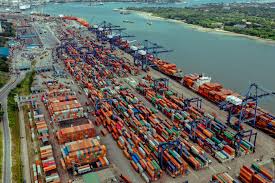
In a move aimed at easing congestion and boosting trade, the Tanzanian government has announced the waiver of storage charges at the Dar es Salaam Port, one of East Africa’s busiest maritime hubs.
The decision is intended to speed up the clearance and movement of cargo, benefiting importers, exporters, and the regional supply chain.
Containers and goods awaiting clearance at the port have faced delays in recent months due to backlogs and logistical bottlenecks. The waiver, which applies to all cargo currently in storage, seeks to reduce the financial burden on businesses and enhance efficiency in port operations.
“By removing storage fees temporarily, we aim to ease pressure on traders and accelerate cargo movement, which is critical for economic recovery and trade competitiveness,” a senior port official said.
Dar es Salaam Port is a crucial gateway for Tanzania and its landlocked neighbors, including Uganda, Rwanda, Burundi, and South Sudan. Delays in cargo clearance have previously led to increased costs for businesses and slowed the flow of essential goods across the region.
The waiver is also expected to encourage timely release of goods, improve supply chain reliability, and restore confidence among regional traders.
Authorities said the move aligns with broader government efforts to modernize port operations, reduce bureaucratic hurdles, and support economic growth.
Measures such as digital tracking systems, streamlined customs procedures, and enhanced coordination between agencies have complemented the storage waiver.
“Efficient port operations are key to regional trade. This waiver demonstrates the government’s commitment to supporting businesses and ensuring Tanzania remains a competitive trade hub,” the official added.
Traders and logistics companies have welcomed the initiative, noting that it will help reduce operational costs and speed up the movement of goods both within Tanzania and across neighboring countries.
The government has pledged to monitor the impact of the waiver and introduce further reforms where necessary to ensure that Dar es Salaam Port continues to operate efficiently and meet growing regional demand.