Uganda’s long-awaited dream of becoming an oil-producing nation is closer than ever, with government officials and oil companies confirming that commercial oil production is expected to begin next year (2026).
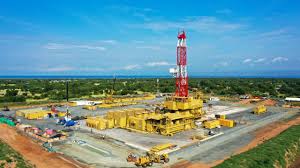
The announcement comes as the country’s major oil projects — Tilenga and Kingfisher — make significant progress in drilling and infrastructure development within the Albertine Graben, located along the western shores of Lake Albert.
According to project officials, drilling and construction works have gained momentum in recent months.
The Tilenga Project, operated by TotalEnergies EP Uganda, requires about 400 wells to reach full production capacity. So far, six wells have been completed, marking a crucial step toward production readiness.
Meanwhile, the Kingfisher Development Area, managed by CNOOC Uganda, is also advancing with well pad construction, pipeline installation, and preparations for oil extraction.
“We are entering the final stretch. The groundwork for Uganda’s first oil is now in place,” said a senior official at the Ministry of Energy and Mineral Development.
The government and its partners are also racing to complete the East African Crude Oil Pipeline (EACOP), a 1,443-kilometre pipeline that will transport crude oil from Hoima in Uganda to the port of Tanga in Tanzania for export.
The $5 billion project — one of the largest in East Africa — is being developed by TotalEnergies, CNOOC, and the Uganda National Oil Company (UNOC). Once complete, Uganda will export about 60,000 barrels per day, earning the country an estimated $2 billion annually in revenue.
While the oil projects promise to transform Uganda’s economy, environmental activists have raised concerns over possible risks to wildlife, water sources, and communities living near the oil fields.
In response, TotalEnergies and the Ugandan government have pledged to uphold international environmental standards and support community resettlement and compensation programs.
“We are working to ensure development is sustainable and benefits local people,” said Godfrey Kabyanga, Uganda’s State Minister for ICT, who also oversees digital infrastructure related to oil logistics.
Uganda discovered commercially viable oil reserves in 2006, estimated at 6.5 billion barrels, of which 1.4 billion barrels are recoverable.
The journey toward production, however, has been delayed by infrastructure gaps, financing challenges, and regulatory hurdles.
Now, with construction nearly complete and international partners on board, optimism is growing that Uganda will finally join Africa’s league of oil-producing nations.
Economists predict that oil revenues could significantly boost Uganda’s economy, create thousands of jobs, and improve infrastructure in western Uganda — provided funds are managed transparently.
“Oil can transform Uganda, but only if the revenue is invested wisely in education, healthcare, and technology,” said an energy analyst in Kampala.
After years of anticipation and setbacks, Uganda stands on the brink of a historic milestone. If all goes according to plan, the country’s first drops of oil will flow by 2026, marking the beginning of a new economic era for the nation and the region.