Hundreds of Tunisians marched through the capital, Tunis, on Saturday to demand action over a worsening environmental disaster in the southern city of Gabes, where decades of industrial pollution have poisoned air, land, and sea — and, residents say, their health.
The protests, which began in Gabes earlier this month, have now spread to other parts of the country, marking one of the most significant waves of public dissent since President Kais Saied consolidated power in 2021.
For years, residents of the coastal city of Gabes have accused the state-owned Chemical Group of Tunisia (GCT) of contaminating their environment through phosphate processing plants that spew toxic gases and discharge chemical waste directly into the Mediterranean.
Environmental activists say the plants release thousands of tons of phosphogypsum waste daily into the sea at Chatt Essalam, decimating marine life and leaving beaches covered in grey sludge. Fishermen report a sharp decline in fish stocks, threatening livelihoods in a region already plagued by unemployment and poverty.
“We are choking,” said Hani Faraj, a protester and member of the Stop Pollution campaign. “The people of Gabes just want to breathe. Our children are sick, our sea is dying, and still the government does nothing. We will not remain silent.”
Locals have reported alarming rises in respiratory illnesses, osteoporosis, and cancer, which doctors and activists attribute to prolonged exposure to toxic fumes and contaminated water.
The latest wave of protests erupted after dozens of schoolchildren were hospitalized with breathing difficulties earlier this month following a leak from one of the plants that produces phosphoric acid and fertilizers.
In Tunis, demonstrators carried banners reading “Gabes is dying” and “Environmental justice now”, accusing the government of repression after several protesters were reportedly arrested during earlier rallies in the south.
President Saied has described the pollution in Gabes as an “environmental assassination”, blaming “criminal policy choices” made by previous governments for decades of neglect.
In an attempt to calm public anger, the government announced a plan to repair aging industrial units and build a new cancer hospital in Gabes. Health Minister Mustapha Ferjani said the facility would specialize in treating pollution-linked diseases.
However, activists and residents dismissed the measures as “temporary fixes”, demanding the complete relocation or closure of the phosphate plants instead.
The growing protests pose a fresh challenge to President Saied, whose administration is already grappling with high inflation, rising unemployment, and political instability.
Analysts warn that the environmental movement could evolve into a broader call for government accountability — echoing the social unrest that ignited Tunisia’s 2011 revolution.
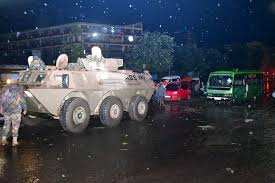
Saied’s government, wary of the protests spreading, has stepped up police presence in major cities. Still, demonstrators in Tunis vowed to continue peaceful marches until concrete action is taken.
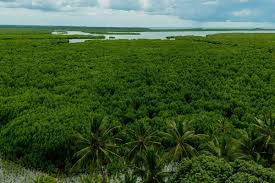
Environmental experts warn that unless urgent reforms are made, Gabes — once known for its lush oases and thriving fishing industry — could become uninhabitable within a generation.
“The pollution has destroyed our sea, our soil, and our health,” said local activist Mouna Ben Salem. “But it has also destroyed our hope. This is not just an environmental crisis — it’s a human one.”
As the chants of “Gabes wants to live!” echo through the streets of Tunis, Tunisians are uniting around a shared demand: a cleaner, safer future in a country where environmental neglect has too long gone unchecked.