South Africa’s world-famous Kruger National Park could soon be renamed, following a proposal by local politicians who argue that the current name celebrates a controversial figure from the country’s past.
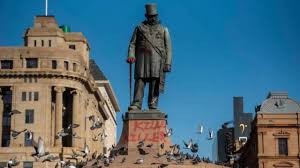
The park, originally known as the Sabi Game Reserve, was renamed in 1926 in honour of Paul Kruger, president of the 19th-century South African Republic.
Kruger is celebrated by many Afrikaners as a hero who resisted British colonial rule. However, for the majority of South Africans, he represents a painful history, as he enacted policies that displaced black communities and excluded them from political power.
In September 2025, the Economic Freedom Fighters (EFF) party proposed in Mpumalanga’s provincial legislature that the park be renamed to remove Kruger’s association. The proposal also suggested renaming Kruger Mpumalanga International Airport.
EFF representatives argued that national heritage sites should reflect South Africa’s broader history and not commemorate figures linked to oppression. As EFF member Rhulani Qhibi said, “How do we celebrate our heritage as South Africans when we still have our beautiful national parks named after the architect of apartheid?”
However, the party’s suggested replacement, Skukuza, sparked criticism. Skukuza, meaning “he who sweeps clean” in the Tsonga language, was the nickname of James Stevenson-Hamilton, the park’s first warden. Critics noted that he forcibly removed black communities living in the park, making the name change controversial.
EFF leader in Mpumalanga, Collen Sedibe, acknowledged the mistake and said consultations with affected communities are ongoing.
The proposal has triggered debate across South Africa. Afrikaner lobby group AfriForum condemned the motion, calling it “cheap politics” and a disregard for Kruger’s role in establishing the park.
Tourism experts warn that renaming the park could hurt the tourism sector, which attracts nearly a million visitors annually and contributes around 9% of South Africa’s GDP.
Professor Elmarie Slabbert of North West University highlighted that while recognising indigenous heritage is important, renaming could come at a high economic cost in a country facing over 30% unemployment.
Renaming a national landmark like Kruger Park requires navigating South Africa’s legal and bureaucratic process. Applications must go through the South African Geographical Names Council (SAGNC), including public consultations and national approval by the Minister of Sports, Arts, and Culture.
Dr. Nkadimeng Mahosi, chair of SAGNC, emphasized that the provincial legislature’s vote does not automatically change the park’s name. He warned that political point-scoring should not override careful national procedures.
South Africa has renamed numerous cities, towns, and landmarks since the end of apartheid in 1994 to reflect indigenous and anti-colonial heritage. Examples include:
• Port Elizabeth → Gqeberha
• Jan Smuts International Airport → OR Tambo International Airport
• King William’s Town → Qonce
These changes aim to correct historical injustices but often spark public debate over heritage, identity, and economic implications.
The Kruger Park renaming debate highlights the tension between addressing historical injustices and protecting economic and cultural assets. While some South Africans see it as a necessary step toward reconciliation, others fear it could undermine one of the country’s most important tourist destinations.