Foreign military bases have become a key part of global security strategy, with powerful nations placing troops and equipment in strategic locations around the world. In Africa, several countries host military facilities operated by foreign powers such as the United States, France, China, Russia and Turkey.
These bases help support counter-terrorism operations, military training, peacekeeping missions and surveillance of important trade routes. However, they have also sparked debate, especially during periods of global tension, as host countries could potentially become involved in international conflicts.
Below are some African countries where foreign militaries maintain bases or military facilities.
Djibouti
Djibouti hosts the largest concentration of foreign military bases in Africa. The country sits at the entrance of the Red Sea, one of the busiest shipping routes connecting Europe, Asia and the Middle East.
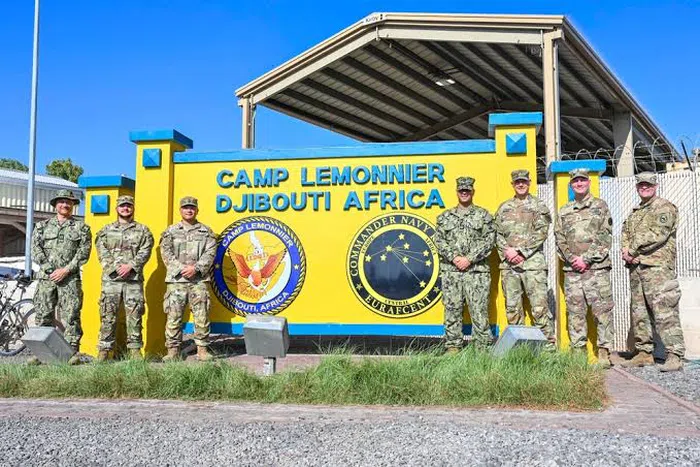
The United States Armed Forces operates Camp Lemonnier, which is the only permanent American military base on the African continent.
Other countries with bases in Djibouti include France, China, Italy and Japan. China opened its first overseas military base there in 2017 to support naval operations and protect shipping routes. Djibouti earns significant revenue by leasing land for these facilities.
Kenya
Kenya hosts the British Army Training Unit Kenya (BATUK), mainly located around Nanyuki and Laikipia.
British soldiers regularly travel to Kenya for training because of the country’s vast open training areas and favourable climate. The program also supports local communities through employment and development projects.
Somalia
Somalia hosts one of Turkey’s largest overseas military bases in the capital, Mogadishu. The base trains Somali soldiers to help rebuild the national army.
The United States also maintains military facilities in Somalia, mainly for operations against extremist groups such as al-Shabaab.
Niger
Niger previously hosted major American and French military bases used to fight militant groups across the Sahel region.
One of the largest installations was a US drone base in Agadez used for surveillance operations across the Sahara and West Africa. However, after the 2023 military coup, Niger’s new leadership asked many Western forces to leave, leading to the withdrawal of several troops.
Mali
Mali once hosted French military forces involved in counter-terrorism operations in the Sahel.
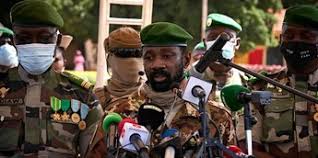
After political tensions and a military coup, the Malian government asked French troops to leave. The country has since strengthened security cooperation with Russia.
Burkina Faso
Burkina Faso followed a similar path to Mali. The country previously hosted French forces but ended the arrangement after political changes in government.
In recent years, Burkina Faso has also moved closer to Russia for military cooperation.
Libya
Libya has remained divided since the civil conflict that followed the fall of Muammar Gaddafi in 2011.
Turkey maintains a military presence in western Libya, while Russian-linked forces have been reported in eastern parts of the country. These deployments reflect ongoing geopolitical competition in the region.
Ongoing Debate in Africa
Foreign military bases can bring economic benefits, training opportunities and improved infrastructure to host countries. They also play a role in regional security operations against terrorism and piracy.
However, critics argue that hosting foreign troops may expose countries to international tensions and conflicts. The debate has intensified amid recent geopolitical tensions involving the United States, Israel and Iran.
Some African leaders have chosen a different approach. For example, Yoweri Museveni has repeatedly stated that Uganda does not host foreign military bases, emphasizing the country’s focus on maintaining full control over its national security.
As global security tensions evolve, African governments continue to weigh the benefits of security partnerships against the risks of becoming entangled in international conflicts.